
Olmsted County's Most Wanted Program
Olmsted County posts no gallery of wanted people, and nothing on its public safety pages suggests one is coming. The Sheriff's Office maintains a searchable Active Warrants application instead. The county's public safety pages point straight to it, and the crime prevention pages point to a tip program for reporting information. For a status question about a specific warrant, the county's Active Warrants landing page is the official entry point. Treat anything else that calls itself a county most wanted list with caution, since it is not run by the county. Confirm what it shows with the court that issued the warrant before acting on it.
Why Olmsted County Has No Wanted Roster
The county answers a wanted-person question with the searchable Active Warrants application, not a poster wall. That tool covers misdemeanor, gross misdemeanor, and felony entries. You can type a name or browse an A to Z last-name index, and the application prints its own current-through date so you know how fresh the data is. It also carries warnings worth reading: parking warrants are left out, and the information may not be current, accurate, or complete. A photo roster would inherit those same limits and add a longer lag before updates appear. That is why Olmsted County points residents to a search tool and a tip program rather than a gallery of faces.
How the Most Wanted Lists Work
A wanted list does not fill itself. A judge signs a warrant first, and then an Olmsted County agency decides the case is worth public attention. The name comes off the same three ways. An arrest ends it. So does a voluntary surrender. A judge can also recall the outstanding warrant, and the posting follows. Olmsted County publishes no refresh schedule, no reward amount, and no removal rule for its list, so treat anything you find on other sites as unconfirmed until the issuing court says otherwise.
Key Point: A published list and the county search summary are snapshots. Either can lag an arrest, a surrender, or a recall, so the agency that holds the record is the only current source.
Reporting a Tip Safely
Olmsted County tips are for reporting a crime, not for running a warrant check. The county routes anonymous tips through Rochester and Olmsted Crime Stoppers at 800-222-8477.
- Call the anonymous tip line or use the official program channel the county links, rather than a personal message or a social media post.
- Describe the location, the time, and what you saw. You do not have to leave your name.
- Never approach, follow, or detain anyone yourself. Let law enforcement act on the information.
- Keep the tip number the program gives you if you want to follow up later.
Olmsted County Most Wanted Tips
Crime Stoppers is a tip program, not a warrant lookup. That distinction matters. Rochester Police reported processing more than 150 Crime Stoppers tips in 2025, a measure of program activity that says nothing about any Olmsted County warrant list. For an anonymous tip, the county report-a-crime page is the official entry point, and it spells out how a submission works.
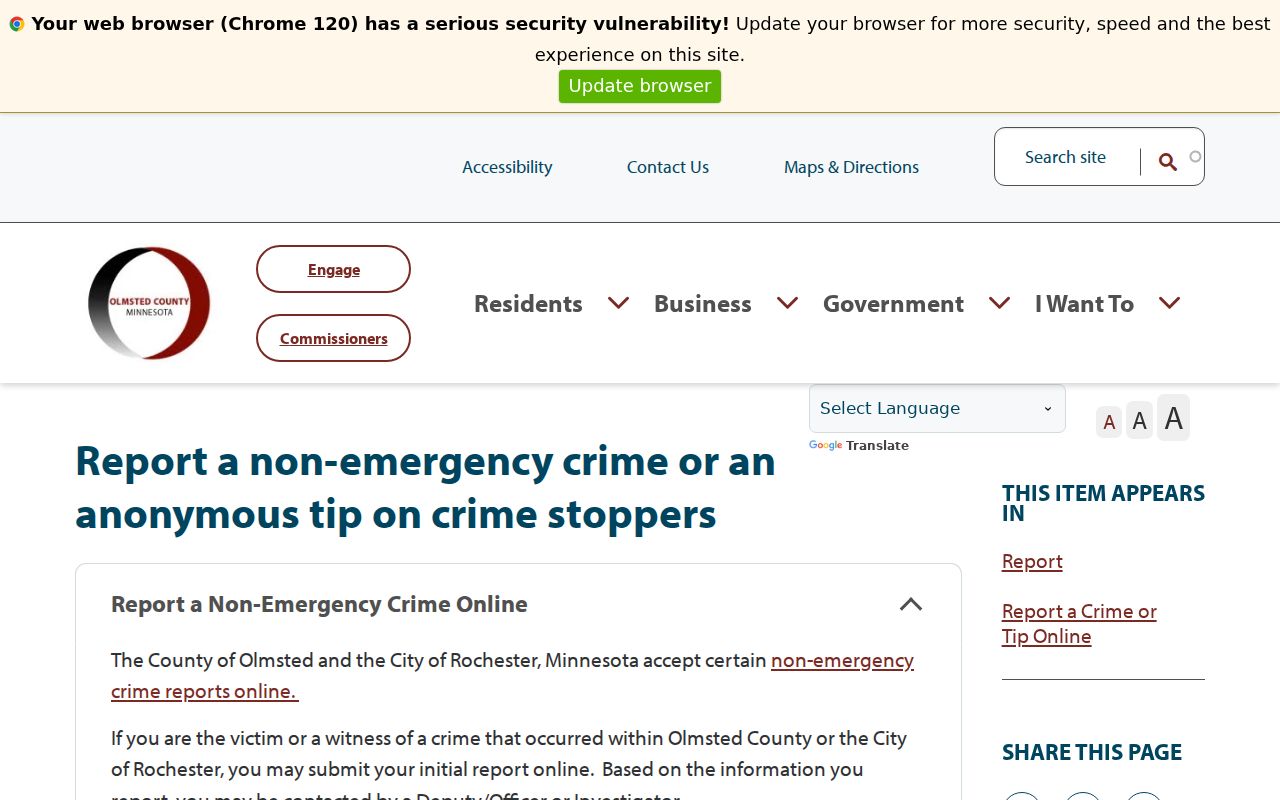
A tip sent there goes to investigators, not to a warrant clerk in Olmsted County, so keep the two questions separate.
Most Wanted Lists vs Active Warrants
A wanted list is a selection. An active warrant is any unserved order a judge has signed in Olmsted County, and most never reach a public list. Being listed adds no charge. Being left off removes none.
| Feature | Most Wanted List | Active Warrant |
|---|---|---|
| Scope | Cases an agency chooses to publicize | Any unserved warrant a judge signed |
| Who publishes it | The agency or its Crime Stoppers partner | The issuing court, summarized by the county |
| What the public sees | Names, photos, and case details on the agency page | A name, a date of birth, and a warrant count |
| How it ends | Arrest, surrender, or recall | Served, recalled, or resolved in court |
The Olmsted County outstanding warrants page covers how the warrant list gets built. It also shows what the county leaves out.
How Olmsted County Wanted Posts Come Down
Nothing here works like a switch. An Olmsted County posting ends only when the underlying warrant ends. An officer serves it. The person surrenders. A judge recalls it, or the case resolves. The county summary refreshes on its own schedule and promises no daily update, so a stale post means little. Ask the court that issued the warrant, not the page that published it, and the Olmsted court contact page lists the criminal and traffic lines court staff answer.
Olmsted County Warrants and the Federal Layer
County warrants and federal warrants run on separate tracks. The U.S. Marshals district office for Minnesota covers Olmsted County, though its district page posts no profiled fugitives. So a federal search will not match a county warrant result. For federal dockets, use PACER instead of any county portal.
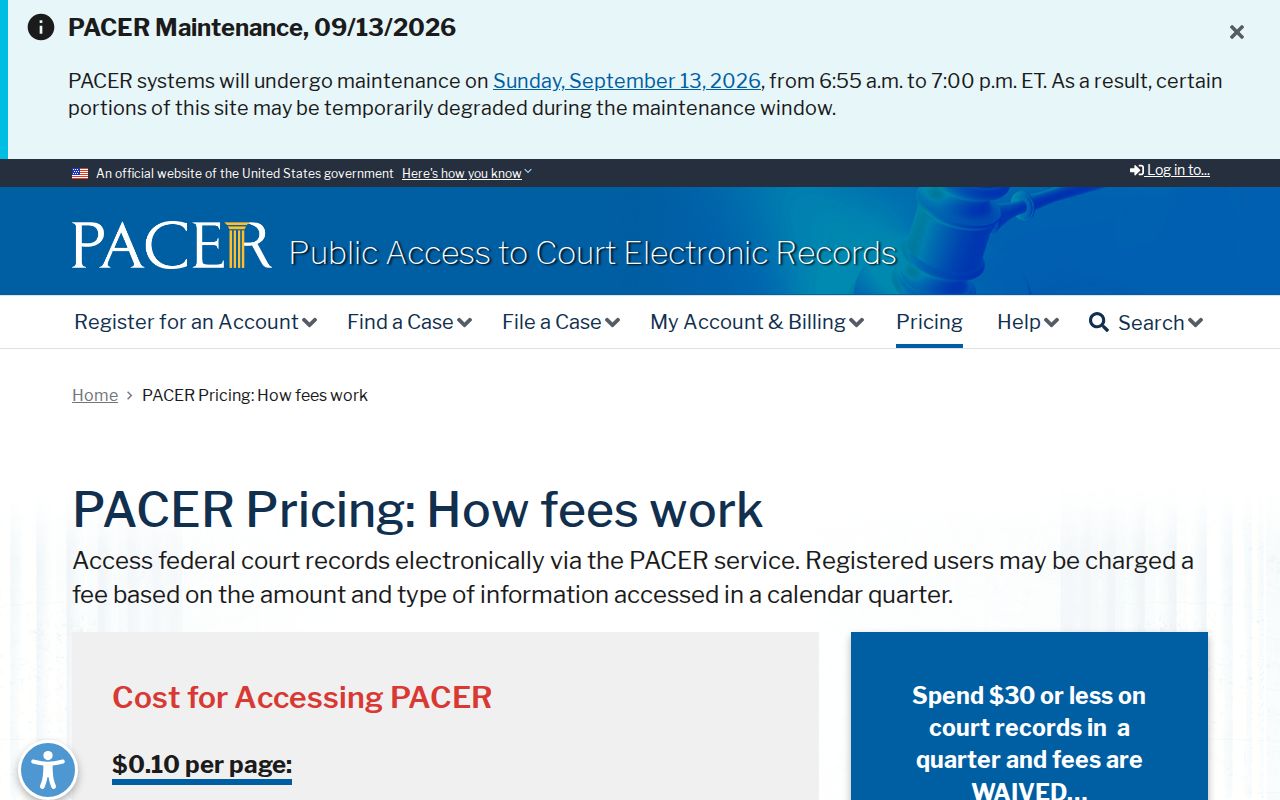
PACER bills federal records by the page, so it suits a targeted search rather than a sweep of Olmsted County names. Treat it as a tool for one known case.
If You Think You Are on a List
Think a warrant in Olmsted County carries your name? Do not wait to be found, and do not walk up to an agency counter alone. A lawyer can confirm whether the warrant is open, explain the charge, and arrange a voluntary surrender. Depending on the warrant and the judge, bail or bond may be an option.
Important: Talk to an attorney before acting. Voluntary surrender at the Adult Detention Center is available around the clock, and arriving early on a weekday reduces the chance of a weekend in custody.
Olmsted County Warrant Status Questions
The tip line cannot tell you whether a warrant is open, and it should not be asked. Status questions in Olmsted County go to the Sheriff's Warrant Desk at 507-328-6830 or warrants@olmstedcounty.gov, and the Adult Detention Center bail page explains how a release payment works. Keep the two channels apart. Crime tips belong with the tip program, while questions about your own case belong with the court or the warrant desk.