
Olmsted County Active Warrants Explained
Active here just means listed. The county Active Warrants application shows misdemeanor, gross misdemeanor, and felony entries for Olmsted County. Parking warrants do not appear. The county's own disclaimer warns that the information may not be current, accurate, or complete. Treat the list as a quick public check and nothing more. It is not a case file. Only a court record can settle the question, so ask the issuing court when a warrant's status actually matters.
How Olmsted County Tracks Active Warrants
District Court issues the warrants in Olmsted County. A judge signs each one, and the Sheriff's Office processes the orders and maintains the data. Minnesota Rule 3 supplies the framework: a complaint and its supporting documents that establish probable cause yield either a summons or a warrant. A summons is preferred. It gives way when the person is unlikely to respond, cannot be located, or arrest is needed to prevent harm. The criminal procedure rule spells out the whole process.
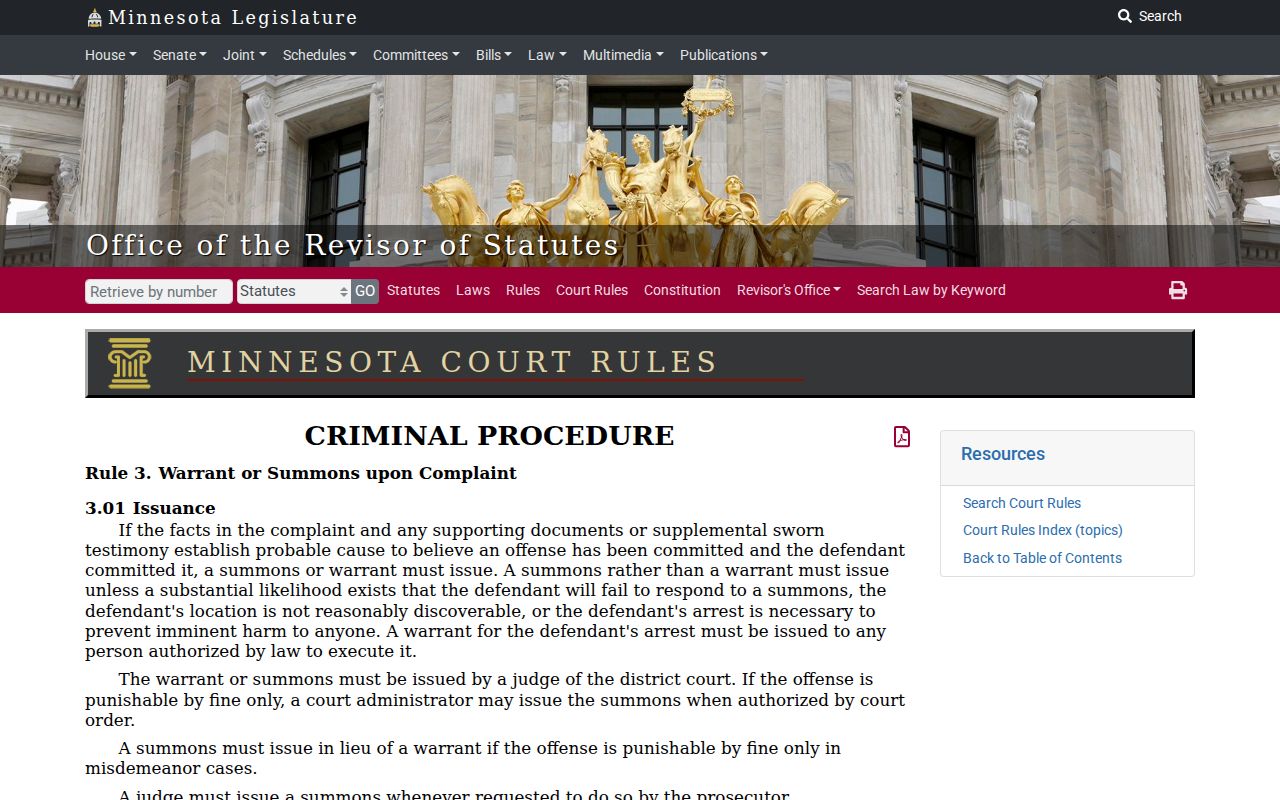
The Olmsted County public list is a summary of the warrant orders a judge signed under that rule.
Inside an Active Warrant Record
Each Olmsted County row is short. These are the fields a reader actually sees, and what each one can settle.
| Name | The name recorded by the Sheriff's Office. |
|---|---|
| Date of Birth | Shown with the name to separate people who share one. |
| Number of Warrants | How many entries the county tied to that name. |
| Warrant Type | Not shown. The summary does not label rows as bench, arrest, or complaint. |
| Charge or Offense | Not shown at list level. |
| Bond Amount | Not shown. Ask Court Administration or the jail. |
| Status | active means listed. Recall, service, and clearance come from the court. |
Anything beyond those three columns comes from the court record or a call to Olmsted County's Warrant Desk.
Warrant Roundups and Most-Wanted Lists
Olmsted County posts no separate curated most-wanted roster. For anonymous tips, the county links Rochester and Olmsted Crime Stoppers at 800-222-8477. The active warrant summary is still the only public list of warrants. A most-wanted page, where a sheriff or task force publishes one, is just a selection drawn from that same pool of warrants. It is not a different legal category in Olmsted County or anywhere else.
Key Rule: A most-wanted page is a curated subset, not a complete list. The county's active warrant summary stays the source for a status question, and a tip line is not a warrant lookup.
See the most wanted list page for how Olmsted County's curated lists and tip program work.
When Your Name Is on the Warrant List
Seeing your own name raises a practical question first. Is the entry really yours? Same-name matches happen in Olmsted County, which is why the summary shows a date of birth. Use it to tell yourself apart from someone else. If the match still looks like yours, call the Warrant Desk and ask before you act. Confirmation comes first, steps come second. Once a warrant is confirmed, the next step is legal advice rather than another Olmsted County list. The home page lays out the paths, from voluntary surrender to posting bond to asking the court to recall the warrant.
Parking Warrants in Olmsted County
Parking is the clearest exclusion Olmsted County makes. The Active Warrants page states plainly that parking warrants are not included. Rochester runs its own process. Unpaid city parking citations go to collections after 45 days, and payment runs through the city's citation portal, by mail, by dropbox, or over a phone line. Contests go to District Court. So an empty result on the county list proves nothing about a parking debt. A warrant check there will not find it.
Note: Parking citations and Olmsted County warrants live in separate systems, so check the city process for anything that began as a parking ticket.
Olmsted County Warrant Totals by Year
The Olmsted County Sheriff's Office reports warrant activity as a yearly flow. The 2025 report counted 2,113 warrants in. It cleared 1,627 by arrest. Another 428 cleared some other way, and the two prior reports show comparable totals.
The 2024 annual report describes the county's size and the division's civil workload.
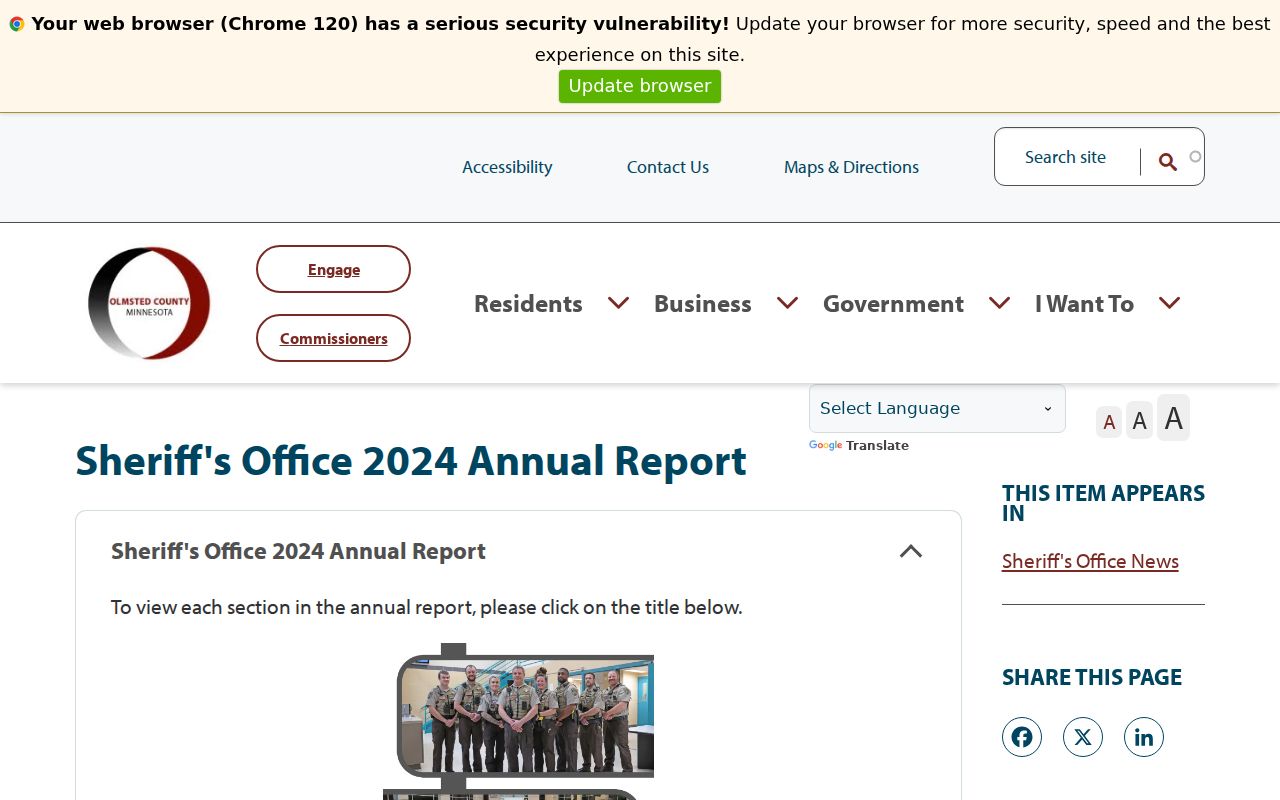
Those figures measure office workload, not how many warrants are open today.
Federal Warrants Outside Olmsted County
Olmsted County's list stops at county and state process. Federal warrants work differently. One comes from the United States District Court for the District of Minnesota, and federal agents handle the case. The U.S. Marshals district page lists Olmsted among the counties it covers. PACER holds the federal dockets. It charges by the page. The federal court for Minnesota publishes its own case access rules.
Nothing on the Olmsted County warrant list reflects a federal case. A clean county result says nothing about a federal matter, and the reverse holds too.
When Olmsted County Warrant Lists Disagree
Two lists can disagree for good reasons. The Olmsted County summary may not have refreshed yet. A parking or municipal matter can sit outside it. So can a case filed in another county. A sealed or juvenile record stays hidden by design. Names come and go, too. An entry disappears when a judge recalls the warrant or an officer serves it. When lists conflict, write down the date you checked and call the Olmsted County Warrant Desk, since staff can say which court holds the case and what comes next. That call settles more than any list can.
Note: Keep the date and time of each check, because warrant status can change faster than any public list can follow.
Olmsted County Warrant Checks vs Crime Tips
Crime Stoppers takes anonymous tips about crimes, and Olmsted County ties it to 800-222-8477. It is not a warrant status line. Callers leave tips without giving a name. The program will not confirm or clear an active warrant. Rochester Police processed more than 150 Crime Stoppers tips in 2025, a count of tip activity rather than of outstanding warrants. For questions about your own warrant, call the Warrant Desk.